Wooden toys, muted colours, beautifully arranged playrooms and activities designed to teach one skill at a time: Montessori toys have become a familiar sight in parenting circles and toy shops. They are often presented as a more thoughtful alternative to noisy, flashing plastic toys, promising to encourage independence, concentration and learning through play.
But are Montessori toys genuinely worth the attention they receive, or is the appeal partly down to attractive packaging and clever marketing? The answer is a little more interesting than simply choosing wood over plastic.
What Makes a Toy Montessori-Inspired?
The Montessori approach to education was developed by Maria Montessori and places considerable emphasis on hands-on learning, independence and allowing children to explore activities at their own pace.
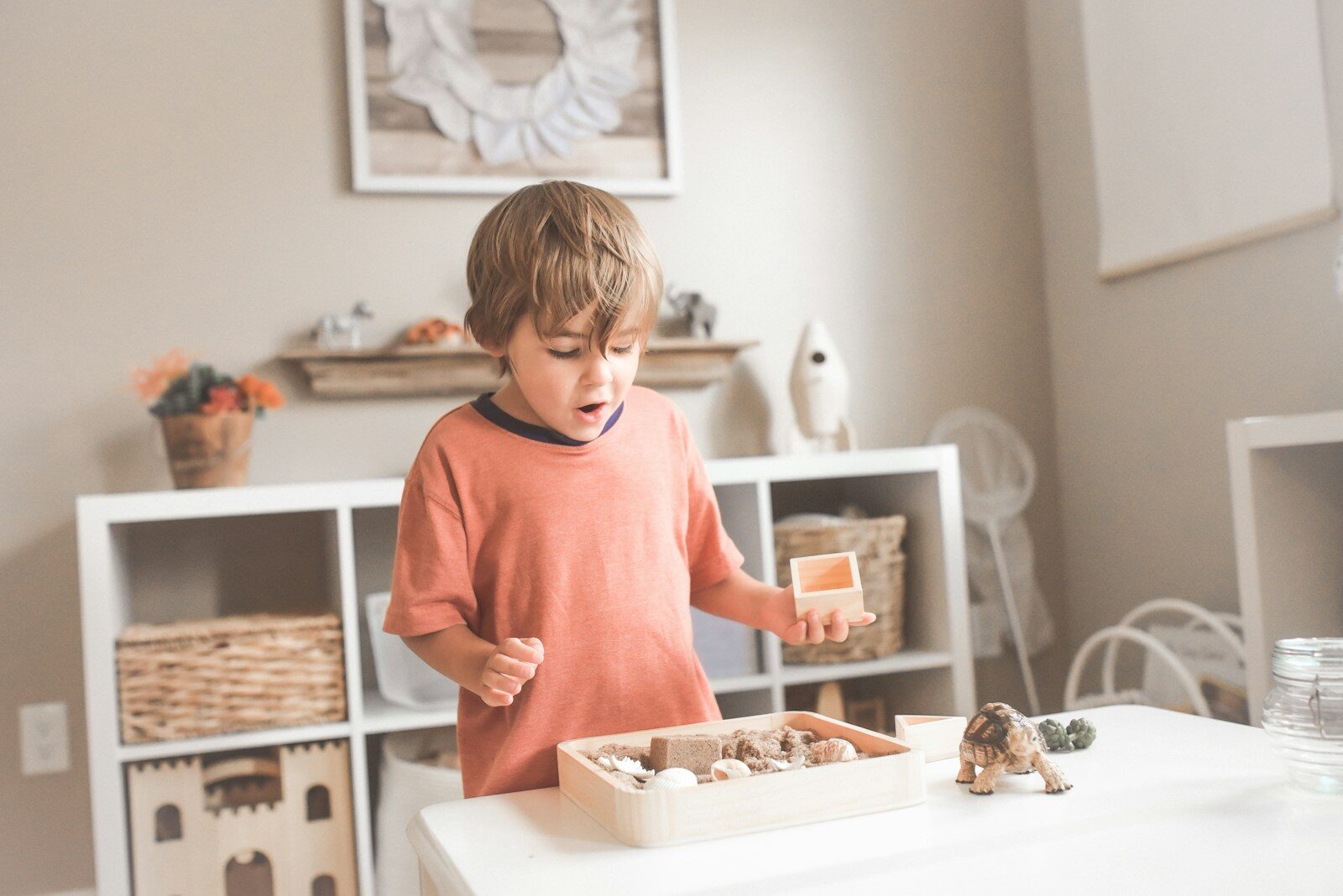
Montessori-inspired toys often reflect these principles. Think wooden shape sorters, stacking blocks, threading beads, puzzles, counting materials and practical activities involving pouring, sorting or matching. Rather than entertaining a child with lights, sounds and predetermined responses, they encourage the child to interact with the materials and discover how they work.
The important distinction is that Montessori is an educational approach, not simply a particular look or material. A wooden toy isn’t automatically Montessori-inspired, just as a brightly coloured plastic toy isn’t automatically unsuitable.
What Are the Benefits?
One of the strongest arguments for Montessori-style toys is that they encourage active participation. A child has to move the pieces, test different combinations, recognise patterns or work out how to complete an activity. These experiences can support fine motor skills, coordination, concentration and early problem-solving.
There is research behind the wider approach, too. A systematic review published in 2023 found that Montessori education was associated with positive outcomes in areas including academic learning and executive function, although results varied and the evidence relates to an educational approach rather than individual toys in isolation.
Simple toys can also leave more room for independent exploration. A set of blocks might become a tower, a bridge, a garage or an imaginary city. With fewer built-in instructions or electronic distractions, children can decide what to do and change direction whenever they like.
For parents, there may be a practical advantage as well. Well-made toys that offer different ways to play can remain interesting as children develop new abilities, rather than being outgrown as soon as the novelty wears off.
Do Montessori Toys Justify the Price?
This is where a little scepticism is useful. Some Montessori-inspired toys are beautifully made, using durable wood and carefully designed components. Others carry premium price tags for products that offer much the same experience as more affordable alternatives.
There is no need to replace an entire toy collection to create a more Montessori-inspired play environment. Ordinary household objects, age-appropriate sorting activities, building blocks, puzzles and art materials can all encourage active learning.
Nor does a toy need to be labelled Montessori to be educational. Construction sets, pretend-play toys, dolls, vehicles and creative kits can all encourage imagination, communication and problem-solving.
The quality of the play matters more than the branding. A simple toy that captures a child’s interest is often a better choice than an expensive one that sits untouched on the shelf.
How to Choose Montessori Toys That Children Will Actually Use
Start with your child’s current interests rather than buying something because it looks educational. If they enjoy sorting objects, try a suitable shape-sorting activity. If they love building, consider blocks or construction toys. Children who enjoy copying everyday tasks may appreciate pretend cooking sets or age-appropriate practical activities.
Look for toys that offer an achievable challenge without becoming frustrating. A puzzle that is too easy may quickly lose its appeal, while one that is far too difficult could end up abandoned. Check age recommendations, safety information and the suitability of small parts.
It’s also worth considering whether a toy encourages repeated use. Activities that can be approached in different ways often offer better long-term value than those with just one possible outcome.
So, Are Montessori Toys Worth the Hype?
Yes, some are well worth considering, particularly if they encourage children to explore, experiment and develop skills through hands-on play. But the benefits don’t come from a wooden finish, a neutral colour palette or a fashionable label.
A thoughtful toy collection can include Montessori-inspired activities alongside imaginative playthings, craft kits, games and plenty of opportunities for unstructured fun. There is no single perfect way for children to play, and a toy doesn’t have to look educational to offer something valuable.
When choosing your next toy, focus on what will engage your child, suit their stage of development and encourage them to keep discovering new possibilities. That’s a much better investment than buying into the hype alone.
Photo by Paige Cody.