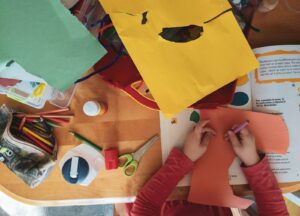
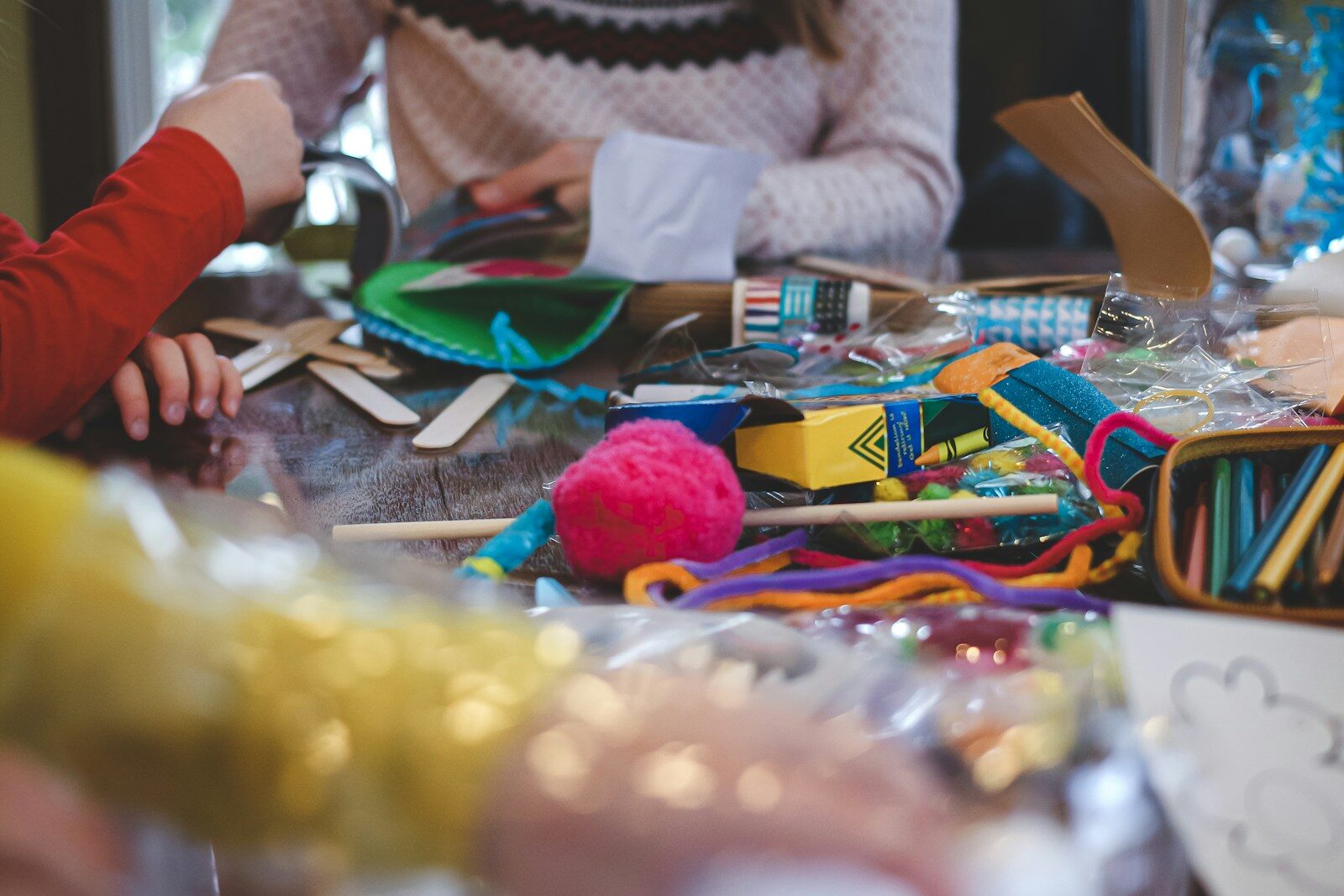
There is something special about a child proudly presenting a creation they have made themselves. It might be a cardboard castle held together with far too much sticky tape, a collection of painted pebbles or a birthday card covered in glitter. Whatever the finished result looks like, crafting gives children the chance to turn an idea into something they can hold, display or give to someone else.
For parents looking for activities that go beyond screens and ready-made entertainment, children’s craft kits offer plenty of possibilities. They provide a starting point for creative play while leaving room for children to add their own ideas, make mistakes and discover what happens when they experiment.
More Than Just Glue and Glitter
Crafting might look like a simple way to fill a rainy afternoon, but it can encourage a surprising range of skills. Cutting paper, threading beads, moulding clay and using paintbrushes all help children practise fine motor control and hand-eye coordination. Following a pattern or working out how to assemble a model can also introduce problem-solving and sequencing.
Then there is the imaginative side. Give a child a selection of coloured card, pipe cleaners and a few googly eyes, and you might end up with anything from an alien family to a miniature zoo. Open-ended materials encourage children to make their own decisions rather than simply follow instructions.
Crafting can also be a useful lesson in perseverance. When a model falls apart or a painting doesn’t turn out as expected, children have an opportunity to try another approach. The aim isn’t to produce a perfect result; it’s to enjoy the process of working things out.
Choosing Craft Activities for Different Ages
The best craft activity is one that feels achievable without being boring. Younger children might enjoy chunky crayons, large stickers, washable paints and simple collage materials. As their coordination develops, they can explore cutting, threading, basic sewing kits and more detailed construction projects.
Older children may prefer activities with a particular end goal, such as making friendship bracelets, designing jewellery, decorating accessories or building intricate models. Craft kits can be particularly useful here, as they provide the necessary materials without requiring parents to assemble a shopping list of individual supplies.
Always check the recommended age range and supervise children where appropriate, particularly when activities involve small parts, sharp tools or other materials that need careful handling.
Making Time for Creativity at Home
You don’t need a dedicated craft room to encourage creativity. A clear section of the kitchen table, an old tablecloth and a box for storing supplies can be enough to get started. Keeping a few accessible materials available makes it easier for children to begin a project when inspiration strikes.
It’s also worth resisting the temptation to take over. Adults may have a particular idea of how a craft project should look, but children often have something quite different in mind. Letting them choose their colours, change the instructions or invent their own design gives them ownership of the finished piece.
And don’t worry if the kitchen table ends up covered in paper scraps. Some of the most enjoyable afternoons involve a little mess, plenty of conversation and creations that look nothing like the picture on the box.
Find Your Next Crafting Adventure
Whether your child enjoys painting, building, jewellery-making or experimenting with new materials, the right craft kit can turn a quiet afternoon into an engaging project. Look for activities that match their interests and abilities, with enough flexibility to encourage their own ideas.
After all, the real success of a craft session isn’t measured by how neatly everything turns out. It’s seeing a child become absorbed in making something entirely their own.
Photo by Compagnons.