People notice the polished parts of a business: the tidy café counter, the well-stocked deli shelf, the florist’s window that looks effortless at 8am. What they rarely see is the daily choreography behind the scenes. In stock rooms, prep spaces and loading bays, organisation often marks the line between a calm shift and a long afternoon spent hunting for the right box.
That is one reason storage systems have become a quiet fixation for small firms. Not because they are glamorous, but because they shape the work itself. A bakery separating ingredients, a bike shop sorting parts, and a community theatre trying to keep props in order all face the same problem: make the space work harder without turning it into chaos. In that conversation, Euro containers come up surprisingly often, mostly because standard sizes make stacking, moving and shelving less improvised.
The hidden economy of being able to find things
There is also a broader shift here. Over the past few years, many independent businesses have had to get sharper about waste, time and floor space. Better storage is not just about neatness. It can affect how much stock gets damaged, how quickly orders are packed, and whether staff spend ten minutes or thirty looking for one missing item.
- Less time lost to rummaging
- Clearer separation of stock and supplies
- More usable space in cramped back rooms
None of this is romantic, but it is real. The back room may never feature in the glossy photos, yet it often tells you more about how a place runs than the front door does. For many businesses, getting that space right is not a minor operational tweak. It is part of staying sane.
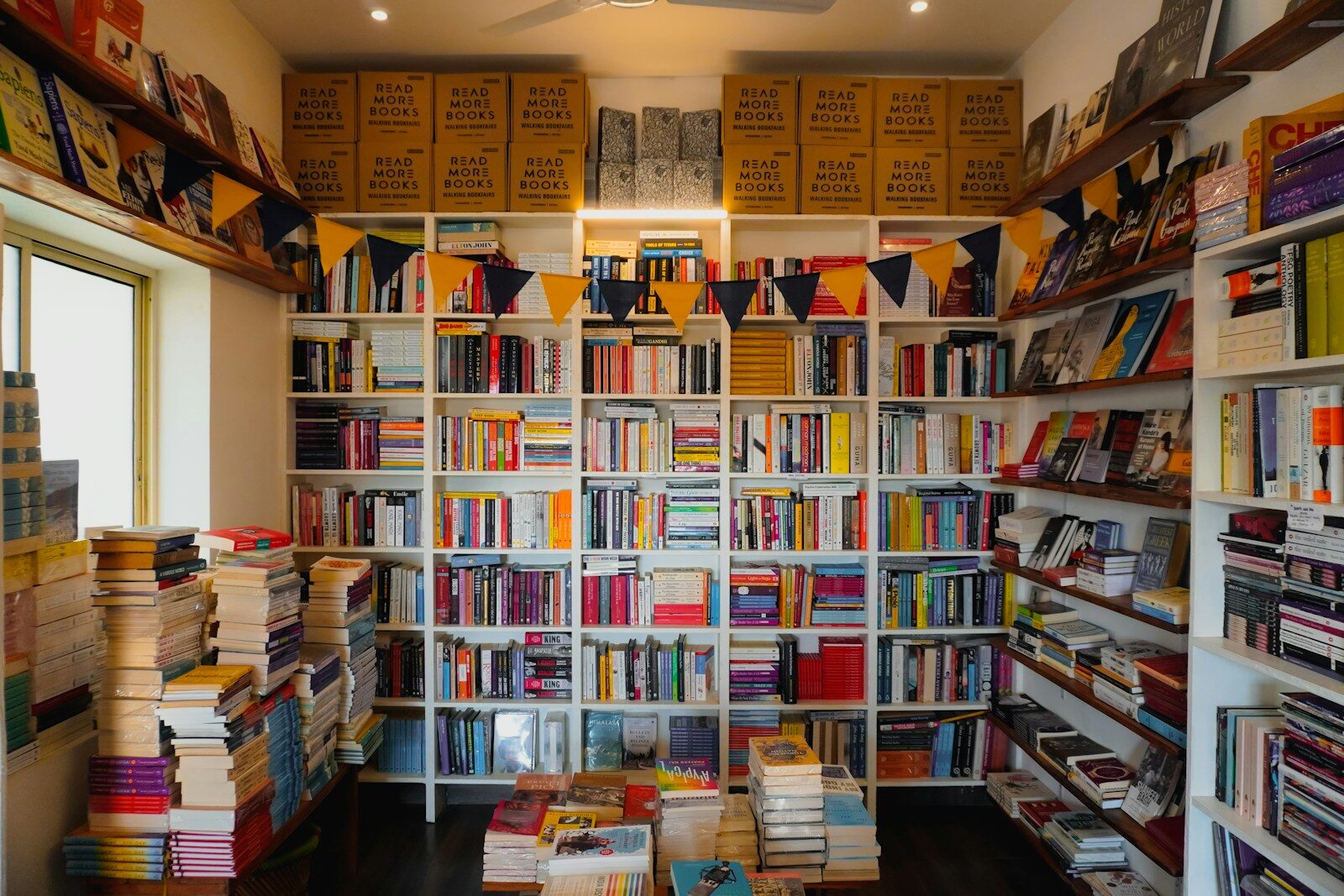
Photo by Adhitya Sibikumar.