
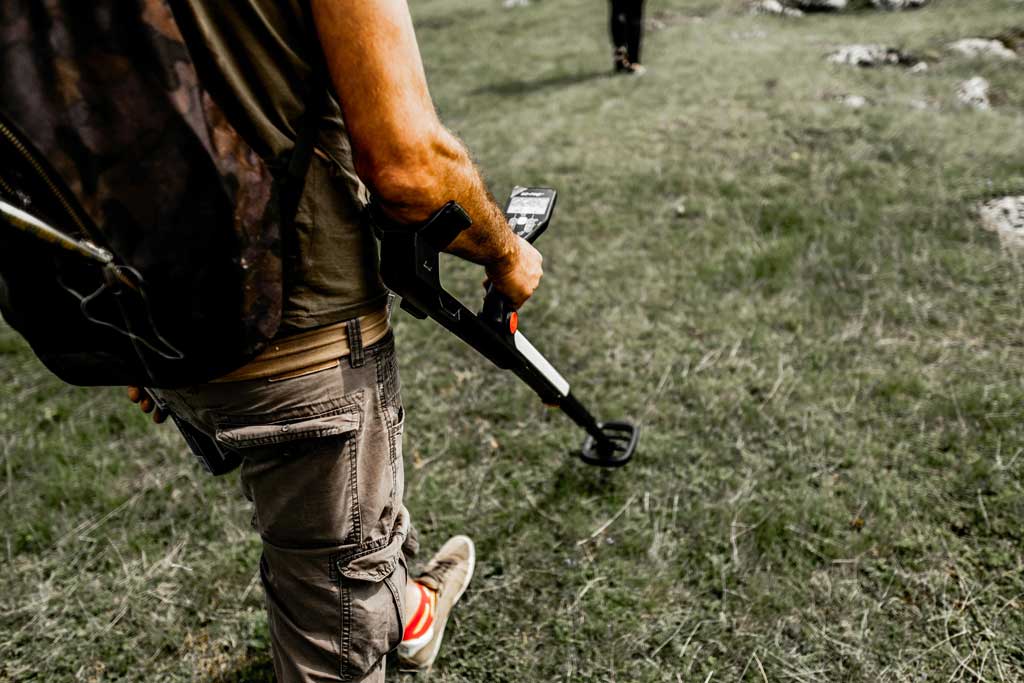
Metal detecting has grown from a niche pastime into a hugely popular hobby enjoyed by people of all ages. Whether you search beaches for lost jewellery, explore fields for historical artefacts, or simply enjoy the thrill of discovery, investing in quality equipment can quickly become expensive. Many detectorists spend hundreds — sometimes thousands — of pounds on detectors, accessories, and specialist gear.
That’s why metal detecting insurance is becoming an increasingly important consideration for enthusiasts who want to protect their investment. While many people assume their home insurance policy will cover their detector, that is not always the case, especially when equipment is used outdoors or transported regularly.
Why Metal Detectors Are Worth Protecting
Modern metal detectors are far more advanced than they used to be. High-end machines now include GPS tracking, waterproof technology, advanced discrimination settings, and wireless connectivity. Alongside the detector itself, hobbyists often purchase pinpointers, digging tools, headphones, carrying bags, and replacement coils.
Replacing stolen, lost, or damaged equipment can become surprisingly costly. If you frequently travel to rallies, beaches, farmland, or historical sites, your detector may face more risks than standard household items. Accidental damage, theft from vehicles, and weather-related issues can all happen unexpectedly.
For anyone who has spent serious money on their setup, metal detecting insurance can provide valuable peace of mind.
What Does Metal Detecting Insurance Usually Cover?
Policies can vary depending on the provider, but many forms of metal detecting insurance are designed specifically for detectorists rather than offering generic gadget cover.
Typical areas of cover may include:
- Theft of your detector and accessories
- Accidental damage while detecting
- Loss of equipment during travel
- Public liability cover
- Worldwide protection for trips abroad
- Rally attendance cover
Public liability can be particularly important. If an accident occurs while you are detecting on private or public land, liability protection could help cover legal costs or claims against you.
This level of specialist cover is one reason many hobbyists choose dedicated insurance rather than relying solely on standard home insurance policies.
The Risks Many Detectorists Overlook
A lot of people only think about insurance after something goes wrong. Unfortunately, metal detecting often involves travelling with valuable gear in cars, walking long distances, and detecting in unpredictable environments.
Even experienced hobbyists face risks such as:
- Equipment theft from parked vehicles
- Water damage at beaches or riverbanks
- Accidental drops or impact damage
- Damage caused by muddy or harsh terrain
- Injuries involving members of the public
Some home insurance policies may exclude equipment used outside the home or impose low claim limits. Others may not cover hobby-related liability issues at all. Reading the small print is essential before assuming your detector is fully protected.
Is Insurance Worth It for Casual Detectorists?
Not every detectorist owns top-of-the-range equipment, but even entry-level setups can cost a significant amount once accessories are included. If replacing your gear out of pocket would cause financial strain, insurance may be worth considering.
Casual users who only detect a few times per year may still benefit from protection, especially if they travel to organised events or carry their detector in a vehicle regularly.
For more serious hobbyists, insurance often becomes even more important. Some collectors own multiple detectors or vintage equipment that would be difficult and expensive to replace.
Choosing the Right Insurance Policy
If you decide to explore metal detecting insurance, it is important to compare policies carefully. The cheapest option is not always the best value if the cover is limited.
When reviewing policies, consider:
- Maximum claim limits
- Excess charges
- Whether accessories are included
- Cover for equipment left in vehicles
- UK and overseas protection
- Public liability limits
It is also worth checking whether organised rallies and club events are covered under the policy terms.
A specialist insurer that understands the hobby will often provide more suitable protection than a generic electronics insurer.
Protecting More Than Just Equipment
For many people, metal detecting is more than a hobby. It combines history, adventure, exercise, and community. Some detectorists spend years building their equipment collection and travelling across the country in search of exciting finds.
Insurance is not simply about replacing a damaged machine. It is about protecting the time, money, and enjoyment invested in the hobby itself.
Whether you are a beginner with your first detector or an experienced treasure hunter with premium equipment, having the right cover can help you enjoy your hobby with greater confidence and fewer worries.
Featured image credit: Cosmin Gavros for Pexels.